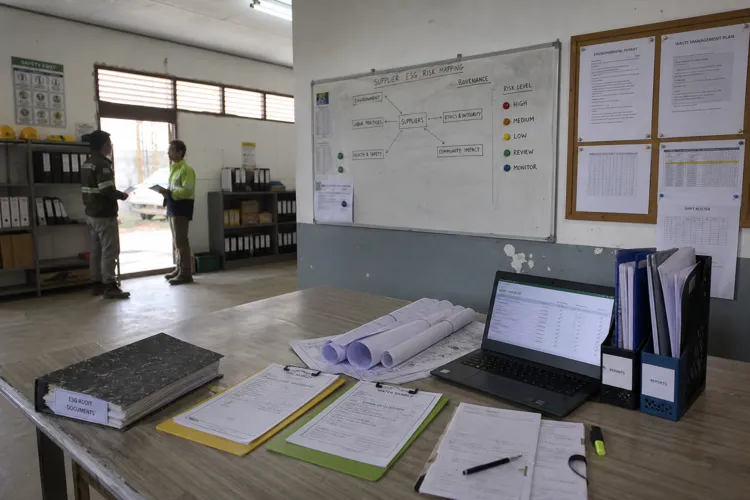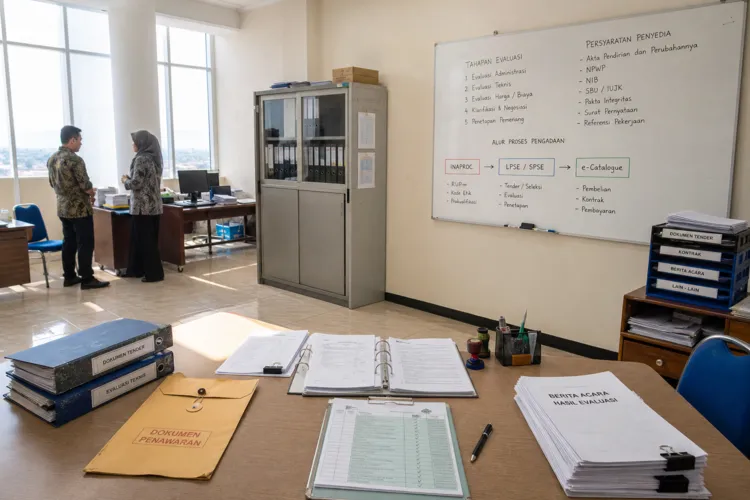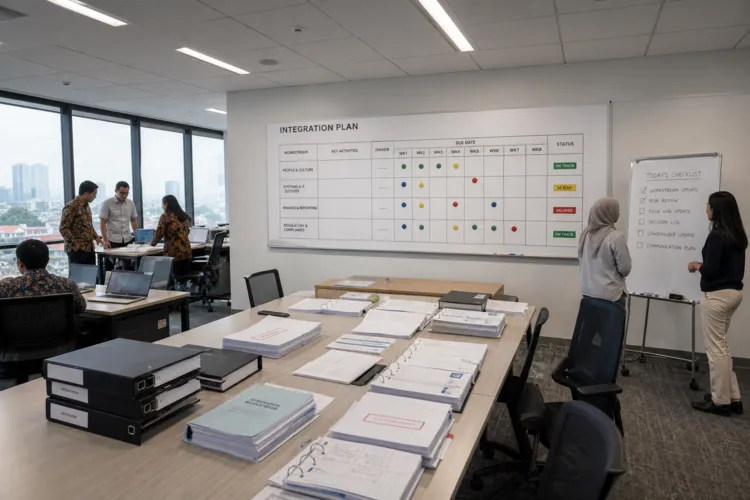

In Indonesia, due diligence is more than a box-ticking exercise. It is a structured way to uncover financial, legal, operational, and other risks that can materially change deal value and post-close execution. A corporate review typically checks a target’s legal, financial, and business background before buying, investing, or partnering, so you can see the real condition of the business and validate what management presents. For foreign acquirers, this work is also a compliance safeguard. Indonesia’s regulatory landscape includes sector-specific licensing rules, foreign ownership restrictions, and a legal framework that continues to evolve. The country is also positioned as a major destination for foreign capital, with GDP exceeding USD 1 trillion in 2024 according to one Indonesia-focused legal guide, which underscores why cross-border buyers often encounter both opportunity and complexity at the same time.
Start with legal compliance and corporate standing. Confirm the company is properly established and allowed to operate by reviewing registration certificates, the deed of establishment, articles of association, and all amendments. Verify share transfer history and current shareholders, because foreign participation can reclassify the company as a PT Penanaman Modal Asing (PMA) and trigger specific obligations under Investment Law No. 25 of 2007. Next, validate licensing. Indonesia uses a risk-based licensing system under Government Regulation No. 28 of 2025, which replaced the 2021 framework. Business activities sit in four risk tiers—low, medium-low, medium-high, and high—with different licensing requirements. In practice, diligence should confirm the target’s permits are valid, current, and correctly registered in the Online Single Submission (OSS) system, and that corporate information is properly reflected in OSS and AHU.
How to Apply the Checklist Across Workstreams
Move next to financial and operational diligence, but keep the scope practical. A common financial review includes audited financial statements for the last 3–5 years, tax filings and payment status, bank statements, and loan documents, plus any outstanding debts or liabilities. Operational diligence should map how the business runs day to day by reviewing the business model, key activities, supplier and customer contracts, asset and inventory ownership, IT systems, and supply chain structure. Parallel this with reputation and dispute checks using public records, news, and court databases to identify past or ongoing lawsuits, media coverage or complaints, and any regulatory penalties or warnings. For transaction planning, note that due diligence and entry into a conditional share purchase or share subscription agreement are common practice in Indonesian share acquisitions, and representations and warranties insurance can appear in some deals, though it is described as less frequent in practice.
Do not treat people, data, and language as afterthoughts. HR and employment diligence should cover key employee roles and backgrounds, employment contracts and labor rights, payroll systems, BPJS compliance, and any unions or labor disputes. Data handling also matters. One Indonesia M&A legal overview highlights a global enforcement trend around personal data protection violations and stresses that acquirers should assess the target’s personal data compliance, including how personal data is handled during the diligence stage. Finally, manage documentation risk. Indonesian practice still treats an Indonesian version alongside a foreign-language agreement as advisable, because guidance suggests missing translations may not automatically annul contracts unless bad faith is proven, and the underlying language law remains binding. This is where a well-scoped Indonesia M&A due diligence checklist helps keep legal formality aligned with real closing risk.
If the acquisition includes land, buildings, or land-heavy operations, add a property and permitting module. Indonesia’s land administration system, zoning framework, and ownership regulations require careful verification, especially given foreign ownership limitations and the risks of overlapping claims, outdated certificates, improper zoning use, missing permits, and unpaid land and building taxes. Confirm title authenticity and ownership through official checks at the local land office, not just seller copies. Understand the title type, such as Hak Milik (generally restricted to Indonesian citizens), Hak Guna Bangunan (often used for commercial projects and companies), and Hak Pakai (typically accessible to foreign individuals under certain conditions). Confirm zoning compliance under regional spatial planning (RDTR), including permitted use, height, floor area ratio, and environmental restrictions, because inconsistencies can block operating licenses or force modifications. For deal timing and sequencing, a general diligence source notes acquisitions often run 30–90 days and advises running market diligence early so the rest of the work does not become academic if fundamentals do not support the thesis.
What is the purpose of an Indonesia M&A due diligence checklist for foreign acquirers?
Which Indonesian systems should be verified during legal and licensing due diligence?
What financial documents are commonly reviewed in Indonesia-focused diligence checklists?
What property-specific risks should foreign acquirers screen for in Indonesia?
What deal practice points should buyers keep in mind for Indonesian share acquisitions?