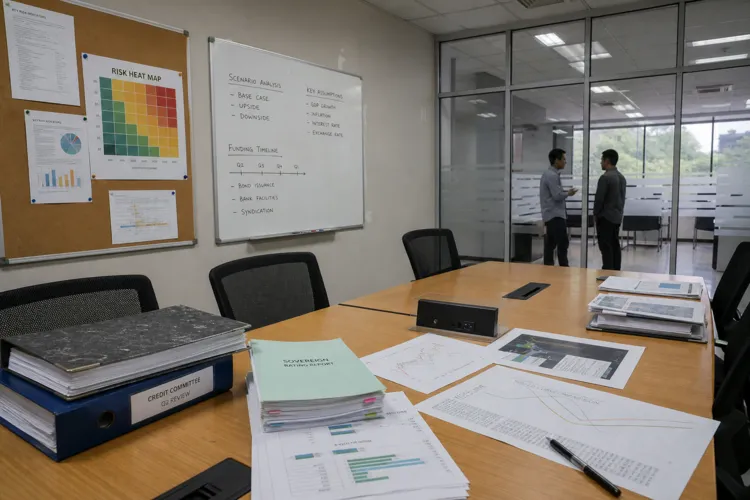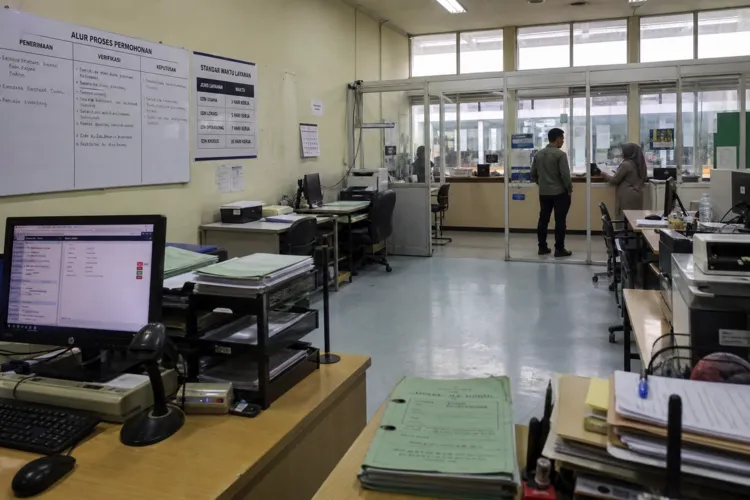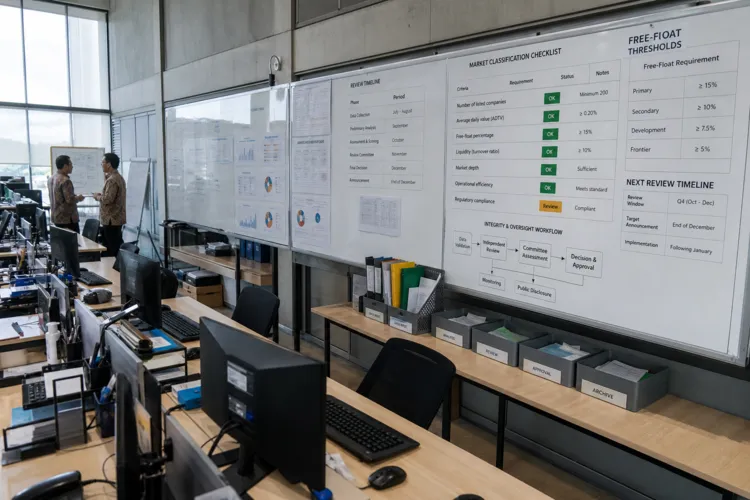
Indonesia’s Core Tax Administration System (Coretax), also described as CTAS and known as Sistem Inti Administrasi Perpajakan, is being positioned as an integrated digital tax administration shift. A 2026 qualitative study of 100 participants across Jakarta, Bandung, Surabaya, and Malang describes it as an administrative transformation, not merely a technology upgrade. For corporate taxpayers, this matters because compliance costs are not limited to software or filing clicks. The study links the transition to procedural relearning, internal workflow adjustment, cross-functional coordination, and the need to build new administrative capabilities that sit inside finance, tax, and accounting teams.
From a corporate cost lens, the same study identifies six dimensions of compliance costs that emerge during Coretax adoption: learning, time, monetary, organizational, technological, and psychological costs. The burdens were described as most pronounced in the early transition period, even though some declined as users developed familiarity and routines. That pattern is useful for compliance budgeting. It suggests companies may see higher short-term internal effort and disruption while teams adapt to the new system logic, then a gradual easing as standard operating procedures stabilize and internal coordination becomes repeatable.
Where Compliance Costs Rise First: Process, Data, and Portal Readiness
Several operational signals show where costs can rise first. One guide states that in 2026, all corporate and individual business tax filing is strictly digital through the Coretax portal, and it highlights “Single Sign-On” with a unified ledger to eliminate multiple apps. The same source says the grace period ended in late 2025 and that, in 2026, the 16-digit NPWP is the only valid identifier for tax-related transactions and administrative services in Indonesia. For businesses, that combination implies practical work: ensuring portal access works end-to-end, aligning internal master data to the new identifier, and redesigning approval and documentation flows around a single digital interface.
Compliance cost risk also shows up in reconciliations and penalties. A 2026 compliance guide recommends reconciling output VAT, creditable input VAT, and payment records in advance so the return agrees with Coretax records. It also states that late filing of a monthly VAT return is subject to a fixed administrative penalty of IDR 500,000, while interest on late tax payments is calculated using the applicable rate published by the Ministry of Finance and may change based on the interest period and regulatory updates. In practice, this pushes companies to invest time in pre-filing checks, evidence trails, and clear internal ownership for differences that could trigger late filing or late payment exposure.
Finally, compliance cost control depends on trust in how the system works day-to-day. The 2026 qualitative study notes that digitalization alone does not automatically strengthen voluntary compliance. Participants tied willingness to comply more closely to procedural clarity, system reliability, accessible support, and trust in tax administration. That framing matters for corporate compliance leaders. When uncertainty is high, companies often compensate by adding review layers, escalating to external advisers, or slowing approvals. A user-centered implementation approach, paired with clear internal playbooks, can help reduce the transition burden while supporting steady, routine compliance under Coretax.
Is Coretax just a technology upgrade for Indonesian corporate taxpayers?
What types of compliance costs can increase during the Coretax transition?
What does the Indonesia Coretax system for businesses change about filing and identification?
What penalty applies for late filing of a monthly VAT return under current guidance?