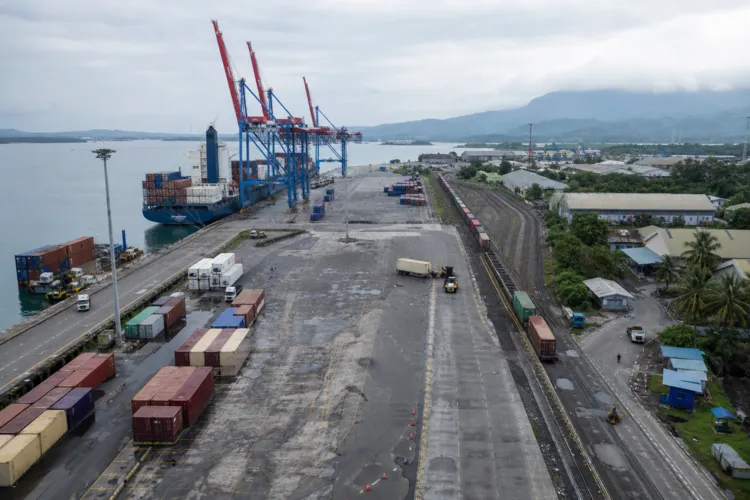
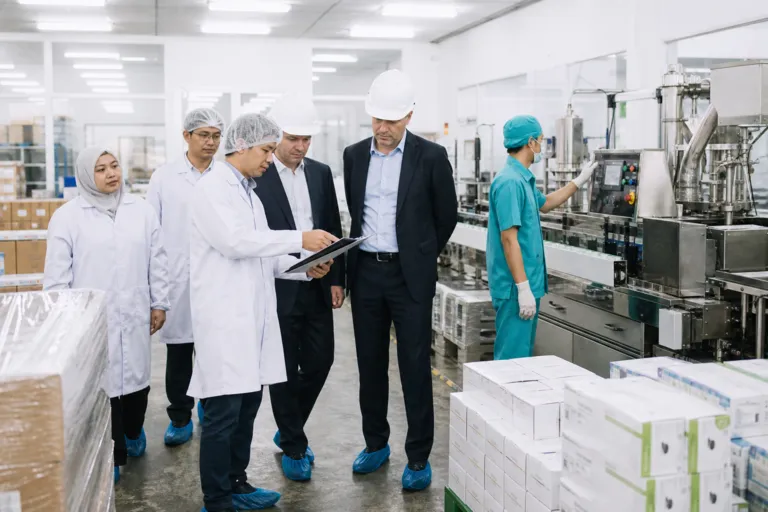
Indonesia is becoming harder for global pharma groups to ignore because the demand story is getting clearer, and it increasingly favors local production strategies. Skylight estimates Indonesia’s pharmaceutical market at USD 11 billion in 2025, and says this equals 30–35% of total ASEAN pharmaceutical spending. It also notes the country became ASEAN’s third-largest pharmaceutical market by value between 2020 and 2025 as the sector recovered and surpassed pre-pandemic growth rates. For manufacturers, that combination—scale, momentum, and regional relevance—helps explain why international players are increasing their manufacturing attention on Indonesia.
A second draw is how demand is shaped by procurement, especially for generics, which can support high utilization once a supplier is qualified. Skylight states that one channel accounts for 55% of total drug consumption and procures generics at prices 40–60% lower than retail. That dynamic “guarantees volume stability” but also adds margin pressure, which pushes companies to look for manufacturing efficiencies and local supply resilience. IndexBox’s generic pharmaceuticals report similarly describes demand segmentation by procurement channel, highlighting large-scale public tenders for essential medicines run through the Ministry of Health and BPJS (JKN). For global firms and their partners, predictable tenders can reward localized manufacturing and compliance readiness.
What Makes Local Manufacturing a Strategic Bet in Indonesia
Indonesia’s policy and regulatory direction is another reason more capital is flowing toward domestic manufacturing capability. Ken Research’s manufacturing market overview ties growth to rising demand for generic drugs, government initiatives for local production, rising healthcare expenditure, and the expansion of health insurance coverage. The same source flags stricter quality control standards and the implementation of Halal certification as part of the evolving regulatory landscape, alongside policies that support local manufacturing. These shifts reward companies that invest early in compliant plants, qualified supply chains, and digital transformation in manufacturing processes, rather than relying only on imported finished goods.
The strongest signal that Indonesia is serious about deeper manufacturing is the push into APIs. Ken Research’s API market report lists strong government support for local pharmaceutical manufacturing among the market’s key propellants. It also reports that PT Kalbe Farma Tbk announced a USD 150 million investment in 2023 to expand its API manufacturing capabilities. In addition, it says that in 2024 the Indonesian government formed partnerships with global health organizations and secured funding of IDR 100 billion to support local API manufacturing. For global pharma companies, these moves indicate that Indonesia’s industrial base is being strengthened upstream, creating new partnering options and reducing single-point dependence on external API supply.
Cost and competitiveness pressures add urgency to these bets, and they reinforce the logic of producing closer to demand. Skylight notes that in 2023, price differences for certain chronic disease medications between Indonesia and Malaysia were as high as +20–30% in favor of Malaysia, even when produced by similar companies. The same source breaks out therapeutic demand shares: cardiovascular at 14%, anti-diabetic at 10%, respiratory at 8%, oncology at 5%, and others (including vitamins) at 45%. Those large, steady categories align with the generic-heavy procurement environment and help explain the current wave of Indonesia pharmaceutical investment growth, as global players weigh build-versus-partner decisions to win tenders, manage compliance, and compete on cost.
Why are global pharma companies increasing manufacturing bets in Indonesia?
How does public procurement influence generic drug manufacturing in Indonesia?
What recent API investments or funding signals support local production?
What does Indonesia pharmaceutical investment growth look like in practical terms?
Which therapy areas take a significant share of drug consumption in Indonesia?