In dealmaking, ESG due diligence is a structured process for assessing environmental, social, and governance risks and opportunities before investments, partnerships, or mergers. Unlike financial due diligence, it expands the lens to include how a target interacts with the environment, stakeholders, and its governance structures, and it can uncover hidden issues such as pollution, labor problems, or governance failures. In Indonesia, this work is increasingly tied to compliance and credibility. Indonesia has implemented ESG reporting mandates through the Financial Services Authority (OJK) and the Indonesia Stock Exchange (IDX), and the country’s climate action direction includes an Enhanced Nationally Determined Contribution (NDC) that targets a 31.9% emission reduction by 2030.
Scope discipline is essential because ESG expectations can apply even when a target is not publicly listed. POJK No. 51/POJK.03/2017 requires financial institutions, issuers, and publicly listed companies to prepare and submit sustainability reports, and POJK No. 18/POJK.04/2023 tightens sustainability disclosure requirements for issuers. But non-listed companies can still face ESG pressure through supply chains, trade relationships, banking requirements, and export market access. Global buyers, especially from Europe, North America, Australia, and Japan, routinely run ESG due diligence on suppliers. A target that cannot demonstrate basic sustainability practices may lose contracts or be excluded from international tenders, creating direct commercial risk that a buyer should price and manage before signing.
A Practical ESG Due Diligence Focus for Indonesian Targets
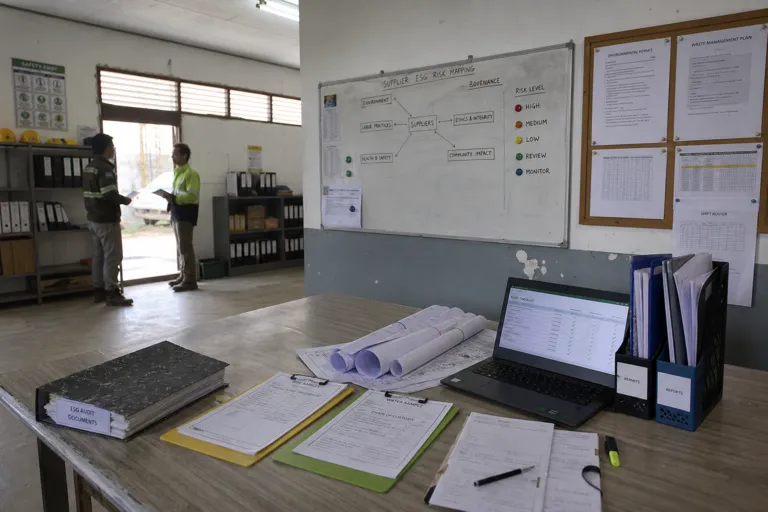
For the “E,” buyers should map regulatory exposure and performance signals that may impact permits, financing, and reputation. Indonesia’s framework includes carbon pricing under Presidential Regulation 98/2021 and the PROPER program, which ranks environmental performance using color-coded ratings. Advisory guidance aimed at Indonesian companies highlights that failing to adapt to these developments can trigger PROPER rating downgrades, restricted financing access, regulatory penalties, and even exclusion from international supply chains and sustainable investment portfolios. Due diligence should therefore verify whether sustainability reporting and environmental management claims match actual practices, and whether internal controls can support future reporting and disclosure expectations.
For the “S” and “G,” diligence teams are often cross-functional and should test both policies and outcomes. ESG due diligence is designed to identify obvious issues and uncover hidden risks, including labor issues and poor governance, and it helps organizations stay aligned with ethical practices and regulatory requirements. Where targets publish sustainability reports, credibility checks matter. A study evaluating companies operating in Indonesia reports that Indonesian companies achieve an average ESG Assurance Score of 0.63, reflecting external third-party validation of sustainability reports, and it reports an ESG score of 0.393 for Indonesian companies in its scoring approach. Another analysis of ESG and sustainability reports over the past five years underscores a critical need for standardized ESG reporting frameworks to improve comparability and transparency—useful context when assessing how consistent and decision-grade a target’s disclosures really are.
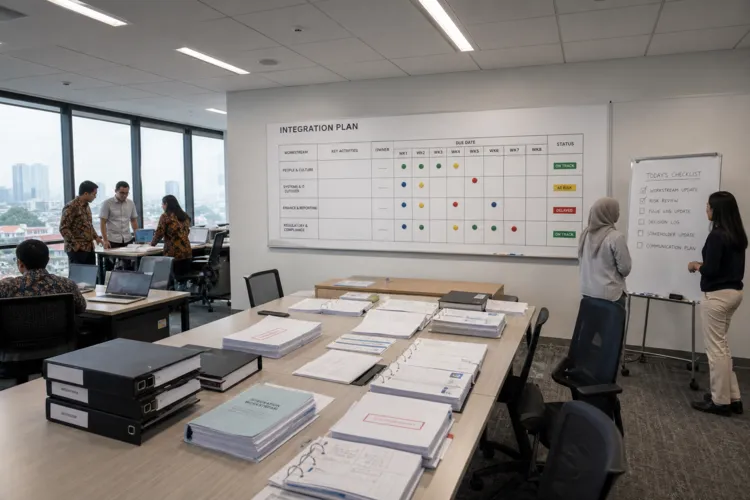
To connect findings to deal terms, translate ESG issues into conditions precedent, remediation plans, or post-close integration milestones. When a target operates in sectors frequently associated with ESG scrutiny—such as banking, palm oil, mining, and manufacturing—buyers can benchmark readiness against OJK reporting expectations and IDX disclosure guidance, and use PROPER standing as a directional indicator for environmental performance risk. At the same time, keep global context explicit: international rules like the EU Taxonomy, SFDR, and SEC ESG disclosure rules are not Indonesian regulations, but they influence investors and global counterparties. The goal is not to “collect ESG paperwork,” but to reduce surprises and ensure the asset can meet stakeholder expectations after signing.
What does ESG due diligence cover before an investment or acquisition?
Why does ESG review matter for private, non-listed companies in Indonesia?
Which Indonesian rules shape sustainability reporting expectations for targets?
How can ESG due diligence in Indonesia use assurance as a credibility signal?
What is the role of PROPER in environmental risk checks?