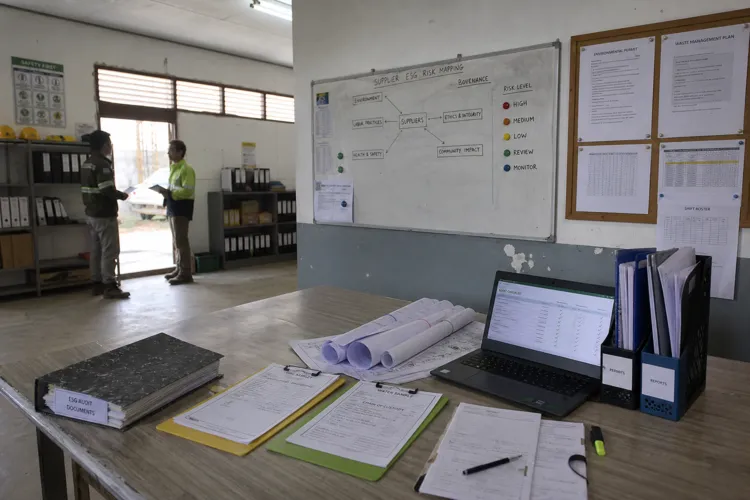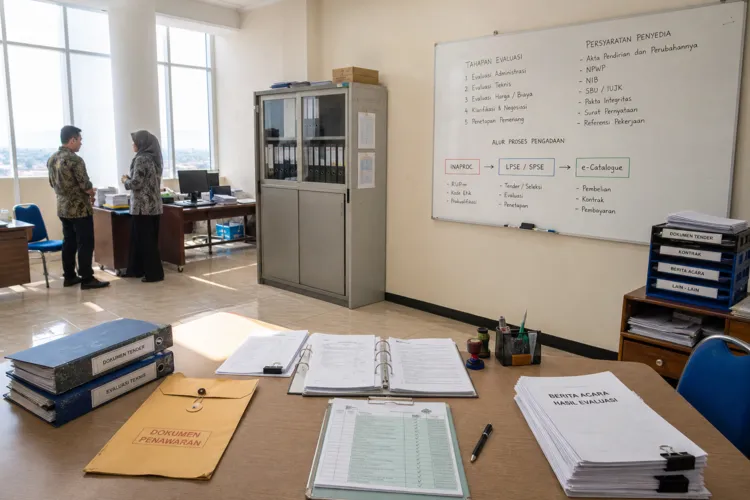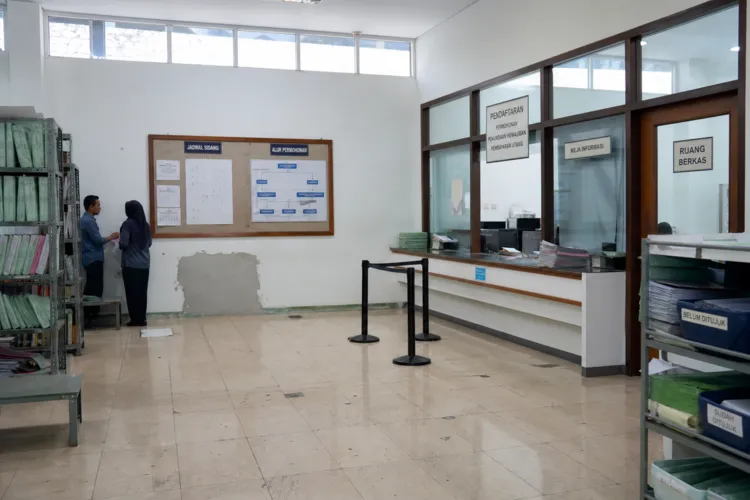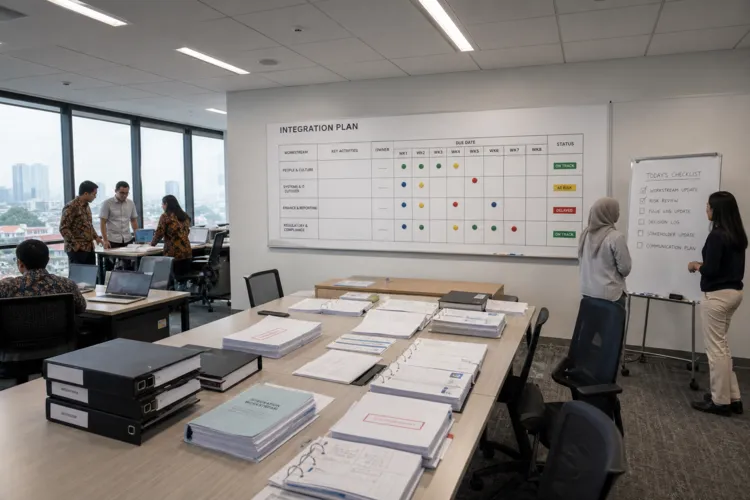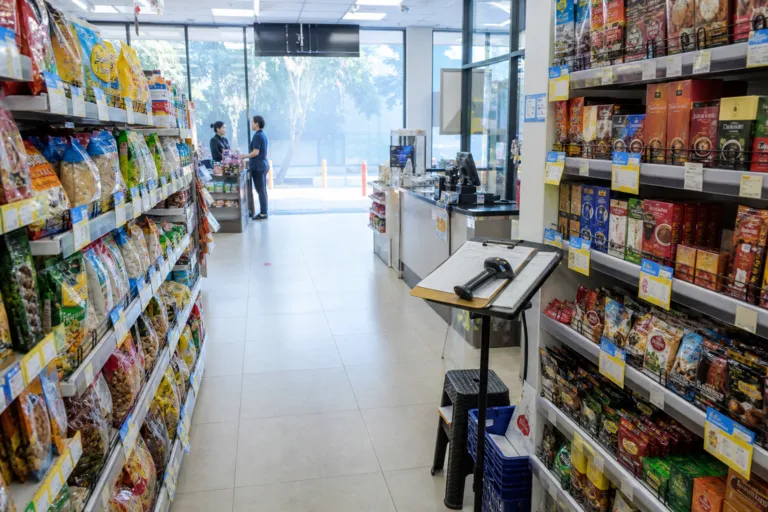
In Indonesia, channel mapping starts with a simple truth: consumers still buy heavily through traditional formats, even as modern retail expands. NIQ frames Southeast Asia around three channels: modern trade (minimarkets, supermarkets, and hypermarkets), general trade (local markets and traditional stores), and online. In its multi-market household purchase view, NIQ states that general trade leads in Indonesia, while the minimarket channel is growing faster, driven by the expansion of Alfamart alongside Indomaret. For a retail channel audit Indonesia teams can use, that means you cannot audit only the chains you can see on a dashboard. You must map the long tail of outlets and then decide where modern trade can scale distribution and where general trade protects penetration.
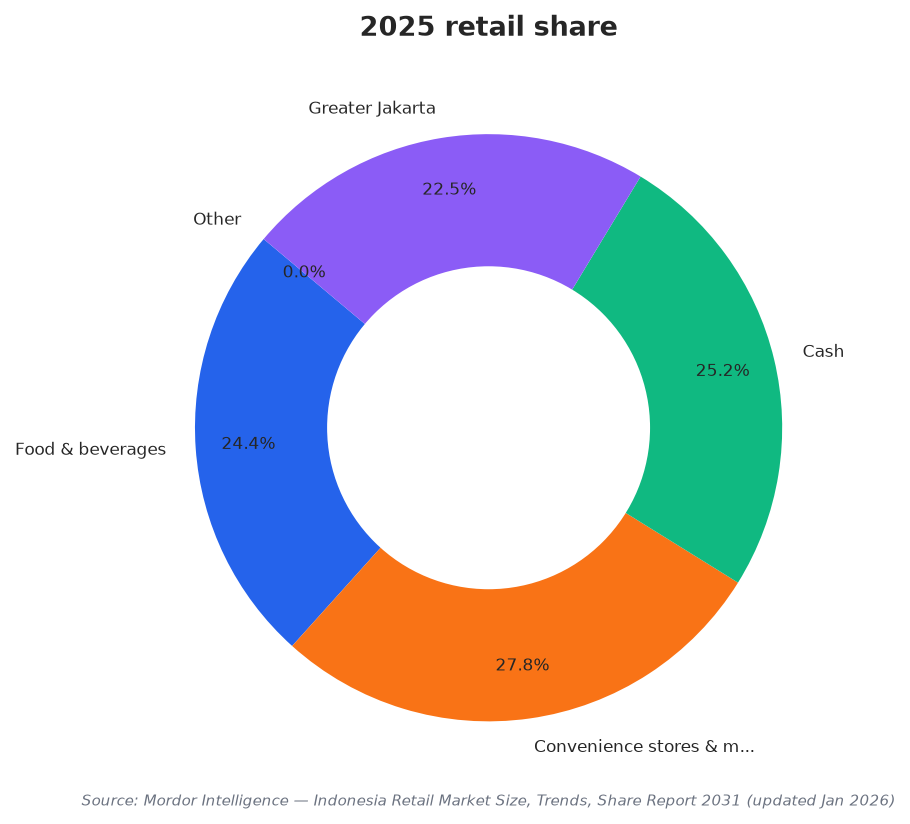
Quantifying the split helps you prioritize. Neverlater’s operator-focused brief estimates general trade at ~77.6% of total physical retail, or ~USD 77.5B, and describes it as the primary engine of consumption in Indonesia. Mordor Intelligence, using its own estimation framework, shows convenience stores and minimarkets at 42.38% of the Indonesia retail market size in 2025, while also noting that traditional formats still hold most grocery transactions. An audit should reconcile these lenses by defining your scope up front: “physical retail” vs “retail market,” and grocery vs total categories. Your outlet universe, route plan, and scorecard should follow that scope, so the numbers you track match the channel reality you are trying to win.
How to Structure a GT vs MT Audit Scorecard in Indonesia
Build the scorecard around what is changing, not just what is big today. Mordor Intelligence expects the Indonesia retail market to grow from USD 56.87 billion in 2025 to USD 60.09 billion in 2026, reaching USD 79.11 billion by 2031 at a 5.65% CAGR over 2026–2031. It also reports that hypermarkets and supermarkets are projected to grow at a 7.87% CAGR to 2031, while health, beauty, and personal care are forecast to expand at an 8.48% CAGR through 2031. These signals can shape audit checks: in modern trade, prioritize shelf performance, availability, and assortment discipline in faster-growing store types and categories; in general trade, prioritize numeric distribution, price-pack fit, and consistent replenishment where proximity shopping dominates.
Next, audit “how people pay” because it affects conversion and execution. Mordor Intelligence reports cash at 38.36% of the Indonesia retail market size in 2025 and projects e-wallets to grow at a 9.74% CAGR over 2026–2031. It also states that modern trade gains from convenience and near-ubiquitous QRIS acceptance. Translate that into field checks. In modern trade, validate whether QRIS and e-wallet flows are visible and consistently working at checkout, because payment friction can undercut otherwise strong shelf execution. In general trade, measure where cash still dominates and where digital acceptance is emerging, then align trade programs and merchandising support to what the store can realistically execute day to day.
Finally, decide where to deepen coverage geographically and how to interpret “growth.” Mordor Intelligence says Greater Jakarta held 34.35% of the Indonesia retail market size in 2025, while Sulawesi is forecast to grow at an 8.75% CAGR through 2031. It also notes that in 2024 Jakarta’s gross regional domestic product per capita reached roughly IDR 344 million (USD 20,600), highlighting concentrated spending power. Your audit design can mirror this: sample densely in Greater Jakarta to capture large value pools and competitive pressure, then add purposeful samples in faster-growth regions such as Sulawesi. When you combine GT reach with MT precision—and you measure the right things in each—you get a channel map you can trust and a plan you can execute.
What channels should an Indonesia retail audit map first?
How large is general trade compared with modern trade in Indonesia?
How can a retail channel audit in Indonesia account for payment behavior?
Which store types and categories look like key audit priorities through 2031?
Where should audit sampling concentrate by region?