
The SATRIA-1 satellite impact is now visible across Indonesia’s most remote islands. With the satellite fully operational since early 2024, high-speed internet has reached places long cut off from the digital economy. This shift is not just about faster connections. It is changing where banks compete and who they serve.
Papua and Maluku, once ignored by major financial players, are now at the center of a new digital banking race.
The SATRIA-1 Satellite Impact: Built for Inclusion
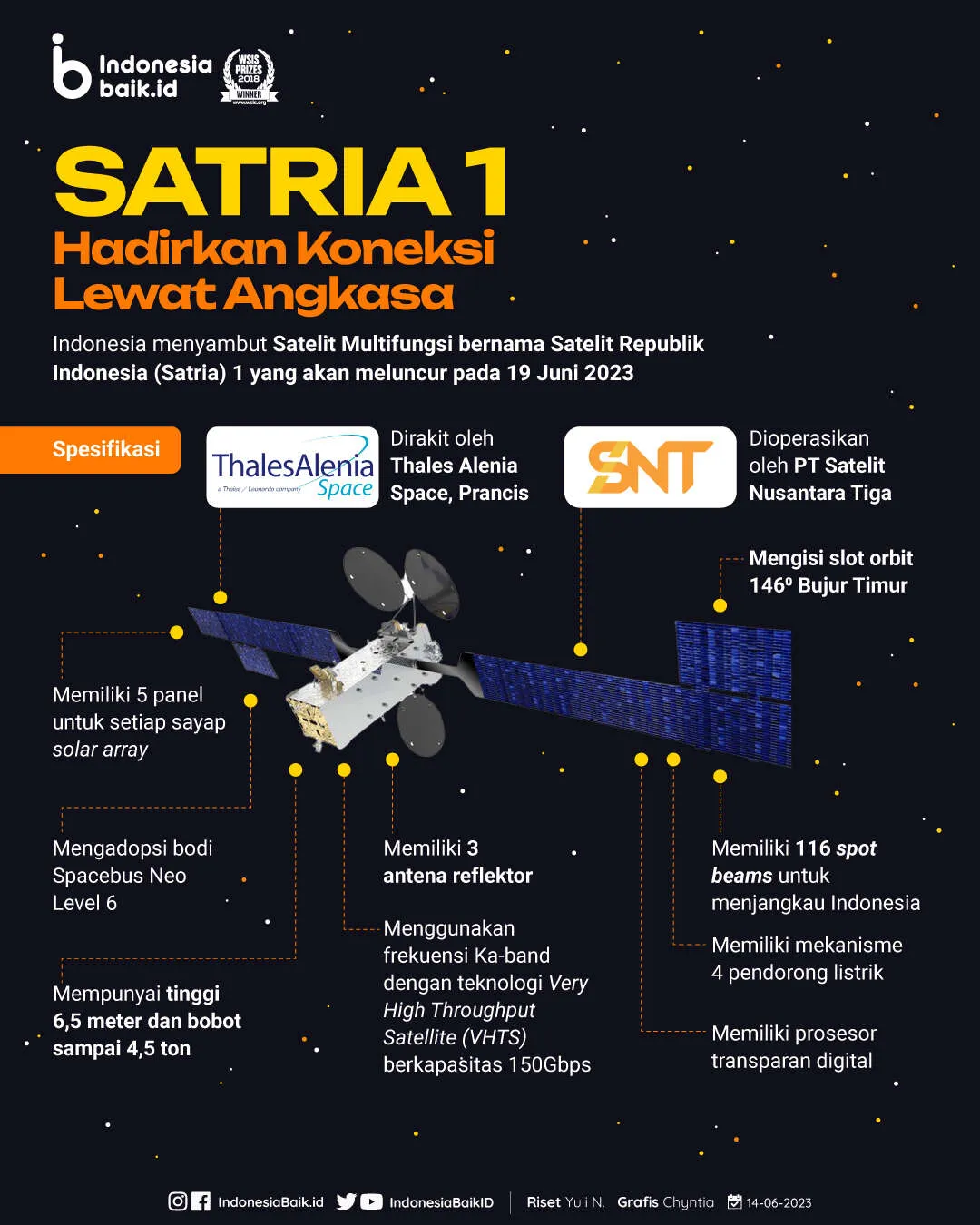
SATRIA-1 delivers 150 Gbps of capacity and connects more than 50,000 public service points across Indonesia. By the first quarter of 2024, over 7,500 locations in Papua and Maluku were already live. These include schools, health centers, and local government offices.
Internet speeds reach 4 Mbps per site, far above the initial 1 Mbps plan. In places like Asmat Regency in South Papua, health data that once took days to send can now be shared in minutes. This reliable access, stretching from Sabang to Merauke, forms the backbone of what many now call Indonesia’s “satellite economy.”
Digital Banks Follow the Signal
Where the internet goes, digital banks follow. Platforms like SeaBank and Bank Jago are rapidly expanding into eastern Indonesia. Their focus is clear: farmers and workers who were previously unbanked because physical branches never reached them.
Indonesia still has 40-48% unbanked among its working-age population. The highest rates are found in eastern provinces. Digital banks see this as the next growth frontier. Surveys show SeaBank holds 57% preference among young users, while Bank Jago holds 36%, giving both confidence to expand beyond Java.
With QRIS now used by 14.8 million merchants, even small farmers can accept digital payments once connectivity exists.
Read Also: Indonesia Cloud Infrastructure Boom Fuels IT & Digital Shift
SATRIA-1 Satellite Impact on Rural Income
The impact of the SATRIA-1 satellite goes beyond banking access. Studies show that internet access in remote and frontier areas can raise household income by up to 17% per year. Farmers gain better price information, access to digital payments, and easier links to markets and services.
This helps explain why digital transactions nationwide have reached Rp15,881 trillion, growing 16% in recent years. Many of these new users are entering the system for the first time through mobile banking, not branches.
The New Battleground Is Eastern Indonesia
The key insight is simple. The fight for digital banking growth is no longer in Jakarta. It is in Papua, West Papua, Maluku, and East Nusa Tenggara. These regions face poverty rates near 25%, yet they are growing fast. In 2024, Papua Barat grew 20.8%, and Maluku Utara grew 13.7%, far above the national average.
Indonesia aims for 91% financial inclusion by 2025, up from 77% in 2022. Reaching that goal means winning trust in the eastern provinces. SATRIA-1 makes this possible by removing geography as a barrier.
Read Also: Discover Fierce Progress in the Indonesia Economic Outlook 2025
Understanding the Shift of the SATRIA-1 Satellite Impact
The SATRIA-1 satellite impact marks a structural change in Indonesia’s economy. Banking, payments, and financial growth are now driven by connectivity, not city limits. For companies and investors trying to understand this shift, deep market insight is critical. To explore how satellite-driven digital change is reshaping Indonesia’s market landscape, contact Market Research Indonesia by Eurogroup Consulting. With 40 years of distinguished experience, Eurogroup Consulting excels in strategic consulting and market research across the region, helping organizations succeed in Indonesia’s rapidly evolving economy.