
Indonesia has mastered raw nickel processing. In 2025, attention shifts to something bigger: building a Circular Loop for used EV batteries. This strategy ensures sustainable growth, long-term industry stability, and compliance with export rules from Europe and other global markets. As the world moves toward cleaner supply chains, Indonesia EV battery recycling becomes the next pillar of national competitiveness.
Indonesia EV Battery Recycling Mandate
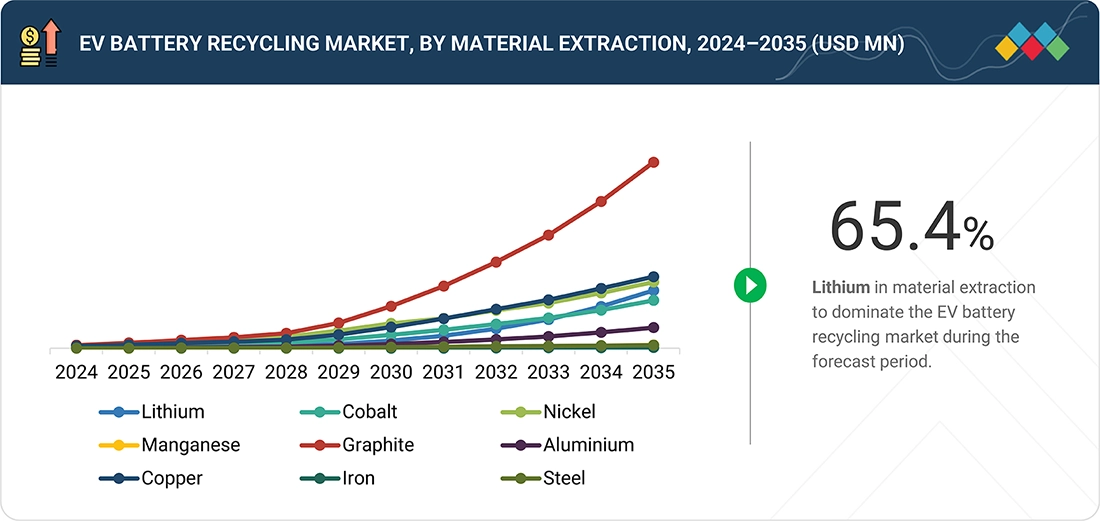
Indonesia’s current battery recycling relies on small, scattered facilities. These operations still follow old rules that treat batteries as simple waste, not valuable material. This increases transport costs across the archipelago and makes sorting hard because EV batteries come in many types.
The government now plans a major reset. The new policies, including Presidential Regulation No. 109/2025, respond to the urgent waste crisis, with 60.99% of national waste unmanaged in 2023. These new rules expand into battery-inclusive waste-to-energy frameworks and strengthen end-of-life recycling requirements under existing laws.
Experts emphasize the need for clearer guidance on how to collect, sort, and process used EV batteries. The government has also created emission standards for lithium battery recycling to stop pollution from new industrial facilities. Together, these measures push Indonesia toward a more formal, high-quality recycling ecosystem.
Read Also: Indonesia EV Policy Drives $14B Clean Tech Bet, and More
Investment Alert: Chinese Firms Move Into Morowali
Morowali is quickly becoming the center of Indonesia’s next industrial leap. China’s GEM Co. plans up to $8 billion for a recycling hub in the Indonesia Green Industrial Park. The first phase, worth $2 billion, focuses on zero-emissions recycling of lithium, cobalt, and rare earth materials.
GEM already has experience there. Its joint venture QMB is part of Indonesia’s nickel downstreaming and has a strong track record, recycling over 10% of China’s used batteries and e-waste. A Chinese-backed battery factory at IMIP Morowali is also targeting 2025 operations.
These investments support Indonesia’s broader downstream vision, including the IDR 96.04 trillion EV battery project with a lithium-ion plant planned in Karawang. This facility will start with 10 GWh of capacity, rising to 20 GWh, producing more than 32.6 million cells each year.
Read Also: How Indonesia's Chinese EV Influx Alters Competition in The Market
Global Compliance: Meeting US IRA Standards
Indonesia’s move into recycling also serves a global purpose. The US Inflation Reduction Act (IRA) grants a $7,500 tax credit for EVs whose battery minerals are processed in the US or in free-trade partners like Indonesia, or whose components are partly North American-made.
For exporters, compliance with the IRA is a major advantage. Recycled materials from GEM’s new facilities improve traceability, helping Indonesian products meet strict clean-energy requirements.
Indonesia EV Battery Recycling: Powering the Future With Circular Strength
Indonesia’s next industrial chapter goes beyond nickel. It builds a circular ecosystem that reuses materials, meets global standards, and attracts major investment. As Indonesia EV battery recycling accelerates, companies planning to enter this fast-moving sector can explore more support from Market Research Indonesia, a part of the global firm Eurogroup Consulting, skilled in guiding energy, sustainability, and industrial transformation.
FAQs
1. Why is EV battery recycling important for Indonesia?
It supports sustainability, reduces waste, and strengthens Indonesia’s role in global EV supply chains.
2. What new regulations support recycling?
Policies like Presidential Regulation No. 109/2025 and updated hazardous waste rules push for structured battery recycling.
3. Who is investing in Indonesia’s recycling sector?
China’s GEM Co. leads with an $8 billion plan in Morowali’s green industrial zone.
4. How does Indonesia fit into US IRA requirements?
Indonesia’s recycled minerals help meet IRA traceability and clean-energy standards.
5. What is the Circular Loop?
It's the Indonesia EV battery recycling plan to reuse EV battery materials and strengthen long-term sustainability.