Indonesia has begun preparatory discussions for accession to the Comprehensive and Progressive Agreement for Trans-Pacific Partnership (CPTPP). Indonesia Business Post reports member countries agreed to launch the process during the bloc’s 10th Commission Meeting, held virtually on June 26, 2026. Coordinating Minister for Economic Affairs Airlangga Hartarto said the discussions are a first step toward establishing an accession working group, with Indonesia targeting full membership by 2027. For exporters, the immediate signal is not a finalized market opening, but a policy direction: Indonesia is positioning the CPTPP pathway as a tool to expand exports, attract investment, and strengthen its role in regional and global value chains.
On readiness, Airlangga said Indonesia already complies with most CPTPP principles through commitments under the WTO, ASEAN, RCEP, and OECD frameworks, and that only “some statutory adjustments” are needed to fulfill CPTPP commitments. Indonesia has aligned domestic regulations with CPTPP provisions across 22 chapters and submitted its aspiring member questionnaire to New Zealand, the agreement’s depository country, on May 12, 2025. ANTARA similarly framed the expected business-side gains as simplified customs procedures, modernized digital trade regulations, stronger protection for investment and intellectual property, and the implementation of rules of origin—topics that sit directly inside exporter compliance and supply-chain documentation.
What Exporters Could Gain: Market Reach and Cleaner Trade Rules
Two numbers frame the scale of the market Indonesia is seeking to plug into. Indonesia Business Post cites Airlangga saying the CPTPP’s 12 member economies account for around 15% of global GDP and nearly 600 million people. A Jakarta Post opinion piece describes CPTPP as representing around 14% of global GDP. Regardless of which estimate is used, both sources underscore that the bloc is large and commercially relevant. VietnamPlus also provides a concrete exporter lens from Malaysia: through CPTPP, exporters can access “non-traditional markets such as Canada, Mexico and Peru” and, for the first time, gain preferential access to the UK market, which had previously been subject to regular tariffs. That context matters for the Indonesia CPTPP accession impact conversation because it highlights how firms often use the agreement to diversify destinations and reshape go-to-market plans.
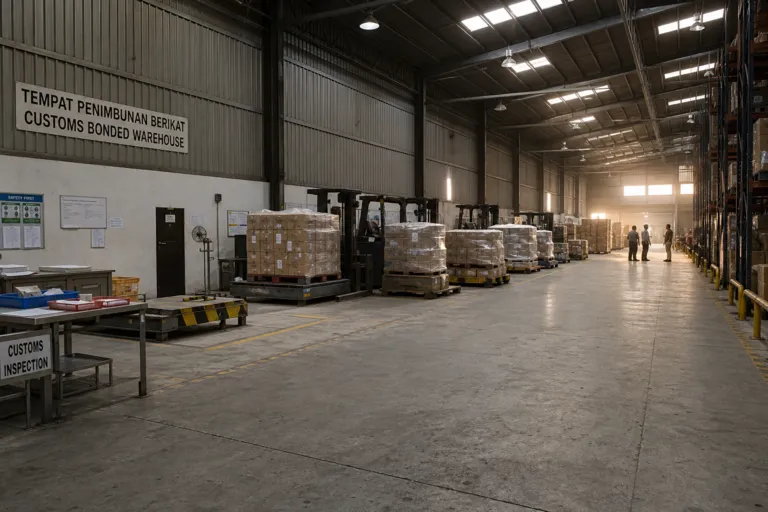
For supply chains, the biggest operational change highlighted in Indonesian government messaging is harmonized rules of origin alongside simpler customs procedures. Airlangga said businesses are expected to benefit from those elements, plus updated digital trade rules and stronger investment and intellectual property protection. The Jakarta Post adds a supply-chain planning argument: a broader CPTPP can create a more coherent environment for trade and investment, giving businesses consistent rules and streamlined customs procedures across a large market, which can reduce the complexity of navigating overlapping bilateral deals. This is the practical side of accession: less fragmentation in paperwork and more predictability for sourcing and routing decisions, if Indonesia ultimately adopts CPTPP disciplines.
Digital trade provisions can also influence exporter strategy, especially for online sellers and service firms. CSIS reports that among micro and small online seller-exporters, 73% find provisions ensuring free data transfer across borders somewhat or very beneficial, 66% find the ban on server localization beneficial, and 61% find liberalizing trade in services important. CSIS also notes CPTPP “matters for its users,” as member-country firms exporting to the CPTPP region highlight benefits from market access, services liberalization, and e-commerce rules. For Indonesia, that evidence is not a guarantee of results, but it is a relevant benchmark as policymakers discuss modernized digital trade regulations and as exporters evaluate whether accession could support cross-border e-commerce and digitally deliverable services under clearer rules.
What is the expected Indonesia CPTPP accession impact for exporters?
When did Indonesia’s CPTPP accession talks start, and what timeline has been mentioned?
What concrete accession preparation steps have been reported for Indonesia?
How might CPTPP rules influence supply-chain decisions?
What do surveys suggest about the value of CPTPP digital trade provisions?