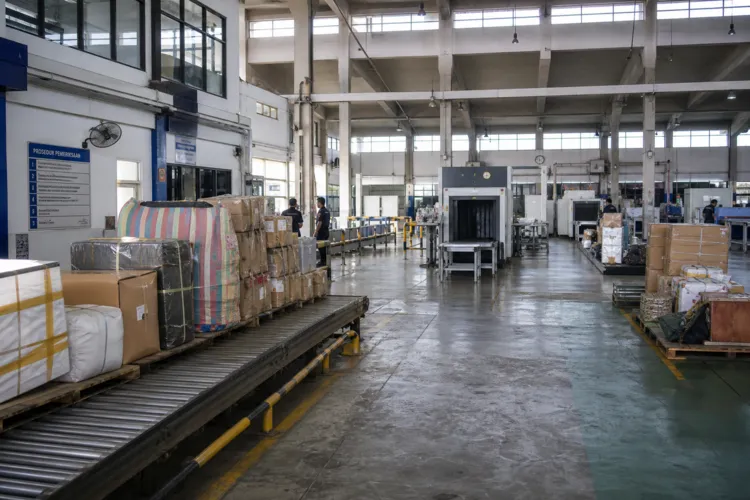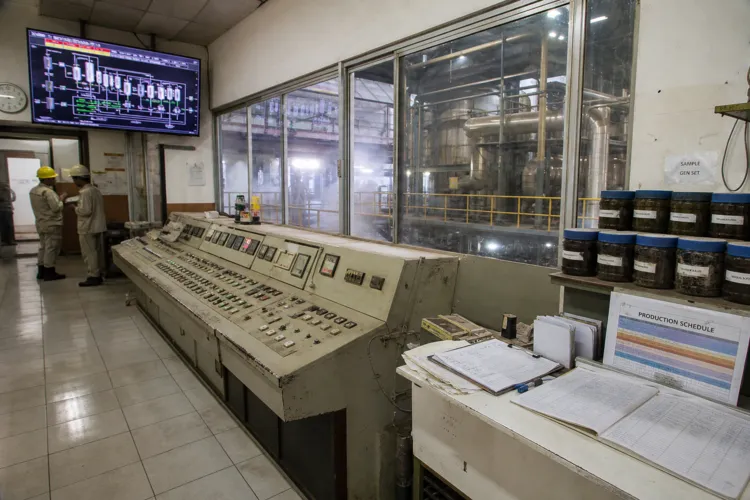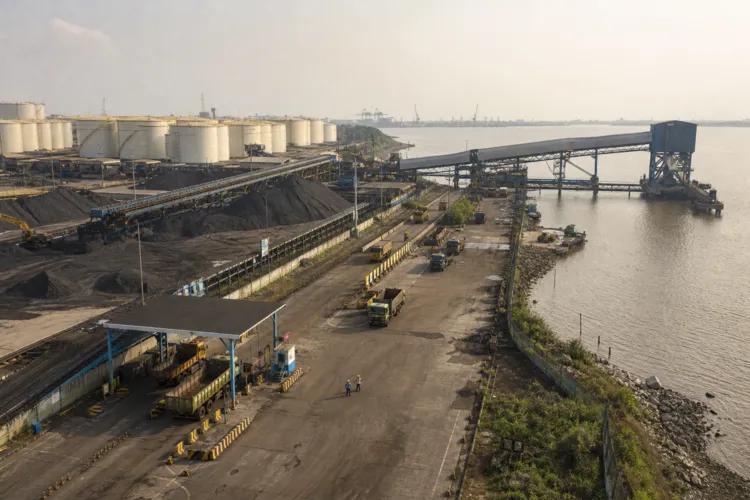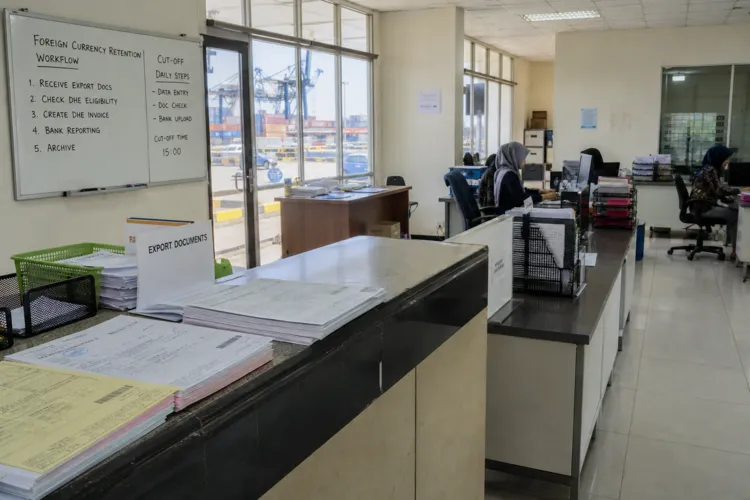
Indonesia has signed a free trade agreement with the Eurasian Economic Union (EAEU), a bloc comprising Armenia, Belarus, Kazakhstan, Kyrgyzstan, and Russia. The agreement was signed in St. Petersburg on December 21, 2025, and was witnessed by Russian President Vladimir Putin, according to reporting and official statements cited in multiple updates. Reuters reported the deal was reached after two years of negotiations and said the bloc will grant Indonesia preferential rates for 90.5% of its total tariff lines. Indonesia’s trade ministry linked that market opening to access to the bloc’s 180 million people, framing the pact as a way for Indonesian leading products to become more competitive.
For exporters, the core story is tariff treatment and which products stand to benefit first. Indonesian officials said the EAEU will open access to priority products such as palm oil and its derivatives, coffee, cocoa, fishery products, textiles, footwear, and furniture. Reuters also listed palm oil and its derivatives, footwear, textiles, fisheries, rubber, furniture, and electronics as products that could see broader access. On the current trade mix, Reuters reported that Indonesia’s top export products to the EAEU are palm oil, coconut oil, coffee, and cocoa, while the union’s main exports are coal, potassium fertiliser, wheat, and ferro-alloys. The agreement includes a “most favored” regime for goods with certain exceptions, as described in coverage of the ratification process.
What Market Access Looks Like in Practice
Several sources describe the scale of coverage in slightly different ways, but they point in the same direction: most lines and most goods move toward preferential or zero duty. A Russian ratification update said the agreement ensures preferential terms for approximately 90% of commodities in all foreign trade, and also stated that approximately 90% of goods exchanged will become tariff-free. The same coverage also said the preferential regime covers more than 98% of bilateral trade between Indonesia and Russia, and that the average duty on Russian products exported to Indonesia is reduced from 8% to 3.2%, with duties for the vast majority of products becoming zero. Product examples named in that ratification coverage include fertilizers, ferrous metals, aluminum, coal, petroleum products, and medicines, alongside various food items and other inputs.
The opportunity is also framed in terms of market size and projected impacts from full implementation. ANTARA reported the agreement grants Indonesian businesses access to a market of 183.7 million people with a combined GDP of US$3.04 trillion. In the same report, Indonesia’s Trade Ministry projected that full implementation of the IEAEU-FTA would drive Indonesian exports to the Eurasian region to between US$2.87 billion and US$2.89 billion, while increasing national welfare by US$69.98 million and lifting real GDP by 0.0059 percent. Separately, another analysis said Indonesia’s trade with the EAEU reached US$4.5 billion in 2024, led by nearly US$4 billion with Russia, and Reuters cited a view that the FTA could double two-way trade between the bloc and Indonesia.
Implementation depends on domestic processes, and multiple updates track the path from signature to full effect. ANTARA reported the agreement was signed on December 21, 2025, and that it was undergoing domestic ratification in each country when Indonesian and Russian officials discussed progress in May 2026. A separate ratification update said Russian President Vladimir Putin signed a law ratifying the agreement. Another report noted Jakarta aims to implement the deal by late 2026 or 2027, pending lawmakers’ ratification. Taken together, the Indonesia Eurasian Economic Union FTA is positioned as both a tariff agreement and a framework for trade facilitation, including customs procedures and technical measures discussed in the ratification coverage.
What does the Indonesia-EAEU free trade agreement cover on tariffs?
Which Indonesian products are highlighted as winners in the deal?
How large is the market Indonesia can reach through the EAEU?
What is the current trade baseline between Russia and Indonesia mentioned in the sources?
When could the Indonesia Eurasian Economic Union FTA be implemented?