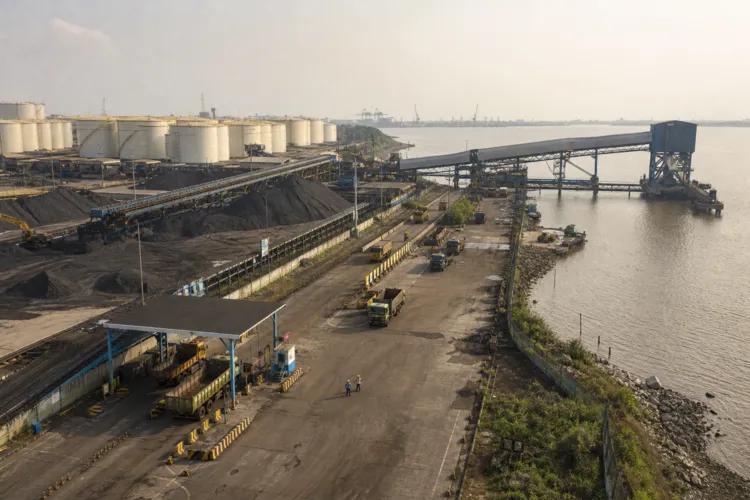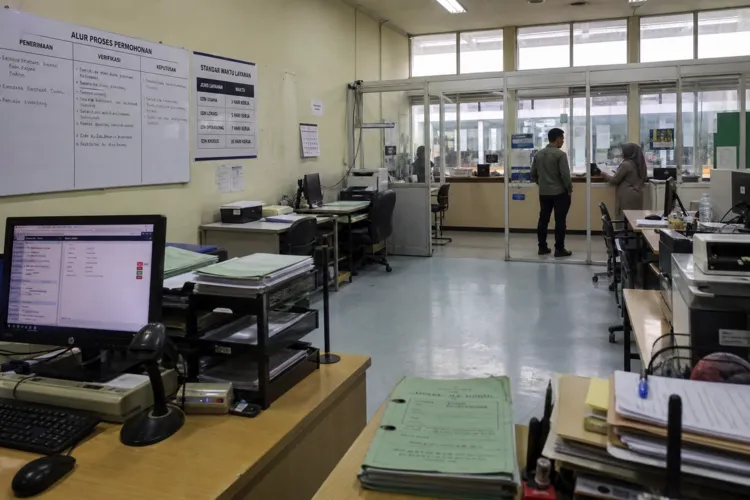
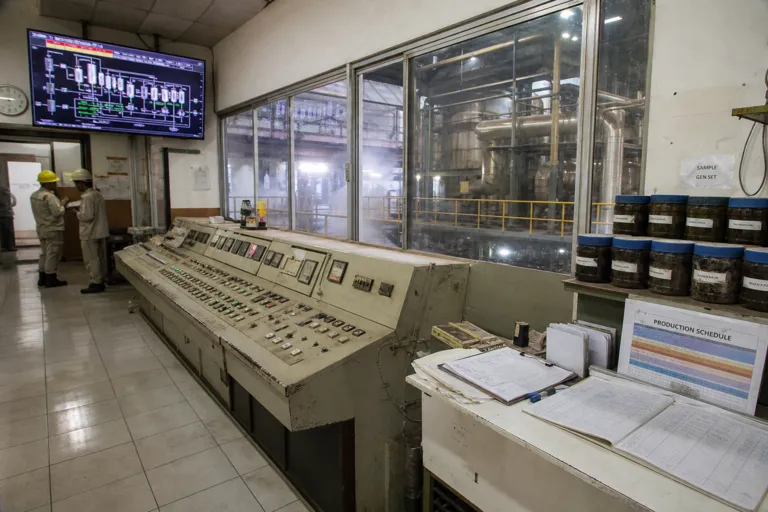
Industrial sweetener supply in Indonesia is being tested by a familiar pinch point: regulated import volumes paired with slow permit issuance. At least two major sugar refineries were forced to halt production after delays in receiving government import permits for raw sugar. Operators ran down inventories and had depleted stocks by the end of 2025, leaving plants unable to secure additional supplies. Because Indonesia depends heavily on imported raw sugar that is processed into refined sugar used widely across the food and beverage sector, stoppages at refineries quickly turn into supply chain risk for manufacturers that need consistent input availability.
The timing is especially sensitive. The disruption comes just ahead of Eid al-Fitr, expected in March, when sugar consumption in Indonesia typically peaks. Adhi Lukman, Chairman of the Indonesian Food and Beverage Association, warned that any shortage would hit the industry at a critical moment because inventories typically reach their lowest levels in January and February each year. Analysts also linked delayed approvals to temporary production disruptions at several refineries, reinforcing how administrative bottlenecks can translate into operational downtime when raw sugar deliveries are scheduled tightly.
How 2026 Quotas and Permits Translate Into Real Supply Risk
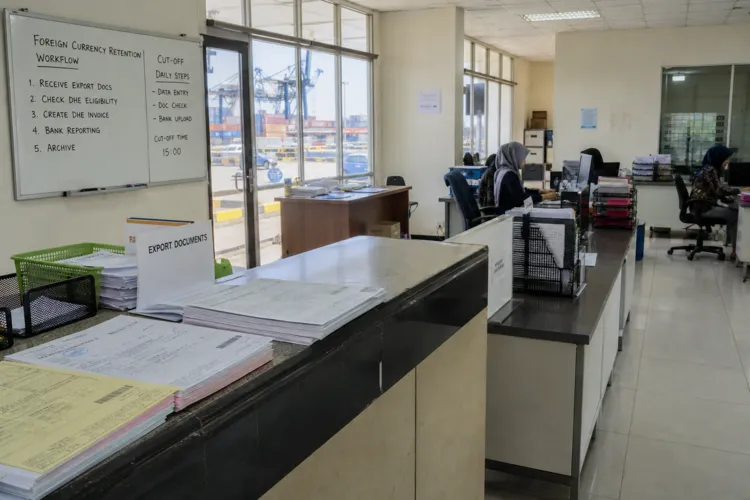
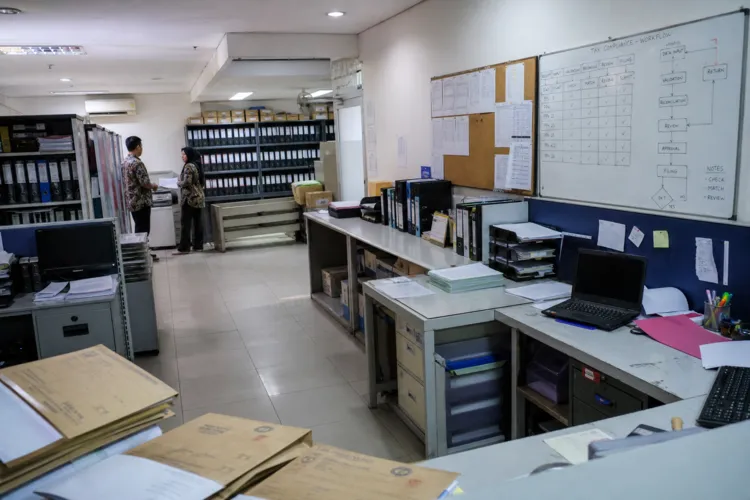
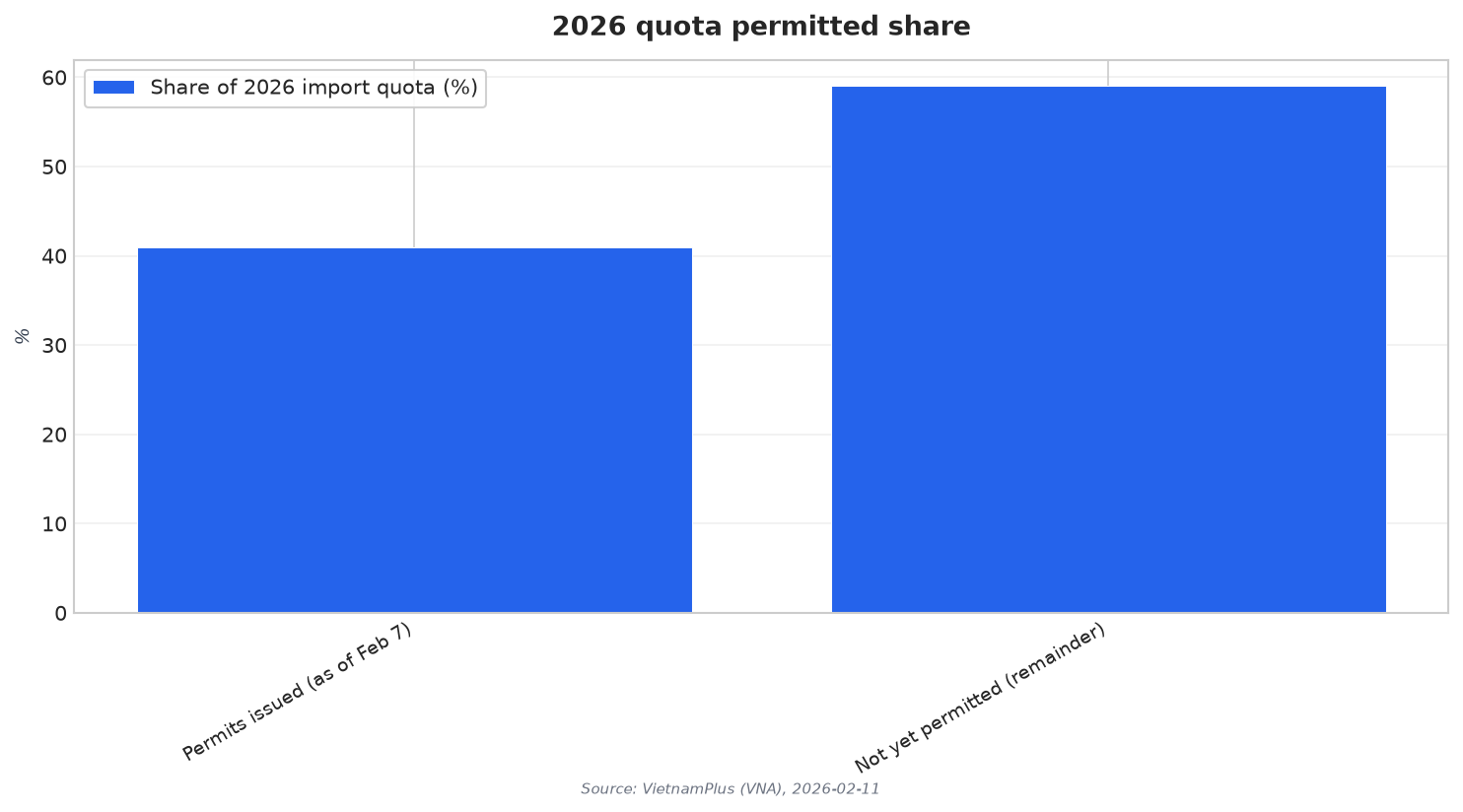
For 2026, the government set the total import quota for the industry at 3.12 million tonnes, while a separate report cited a plan to import approximately 3.1 million metric tons for industrial use in 2026. The process requires the Ministry of Industry to provide recommendations for individual refiners, followed by permit issuance by the Ministry of Trade. As of February 7, only seven of 11 members of the Indonesian Sugar Refiners Association had received permits to import raw sugar for 2026, covering about 41% of the total annual quota. This gap between quota allowances and permitted volumes is the immediate operational constraint.
Permit disruption is not happening in a vacuum. In 2025, Indonesia planned a total import quota of 4.39 million tons for raw sugar but halted the release of import permits in September after sugarcane farmers complained they were struggling to compete with foreign suppliers. Before stopping issuance for the rest of the year, the government had issued permits for 4.19 million tons out of the 2025 quota. These swings matter for procurement teams because they shape expectations for lead times, the reliability of approvals, and the likelihood that refiners will experience sudden inventory gaps that cascade to industrial buyers.
For manufacturers, the risk is not only volume but also continuity. Indonesia imported 5.7 million metric tons of sugar in 2022, and for 2023 the import quota was set at 4.641 million metric tons, including 3.6 million metric tons of raw sugar, underscoring the role of imports in supply. Meanwhile, in April 2026 the change in Indonesia’s food and non-alcoholic beverage CPI was reported at 3.064%, down from 3.340% in March 2026, in a context where refined and industrial-grade sugar demand is described as rising. In practice, the Indonesia industrial sugar import quota system can become a binding constraint when permitting lags, leaving food and beverage producers exposed to short-notice supply interruptions.
Why did some Indonesian sugar refineries halt production in early 2026?
What was Indonesia’s industrial raw sugar import quota for 2026?
How much of the 2026 quota had permits by early February?
How did 2025 permitting changes affect the import program?
How can the Indonesia industrial sugar import quota process create risk for food and beverage manufacturers?