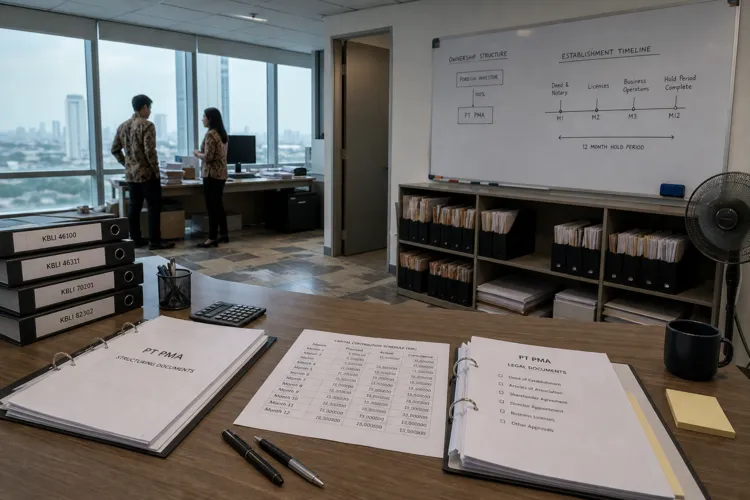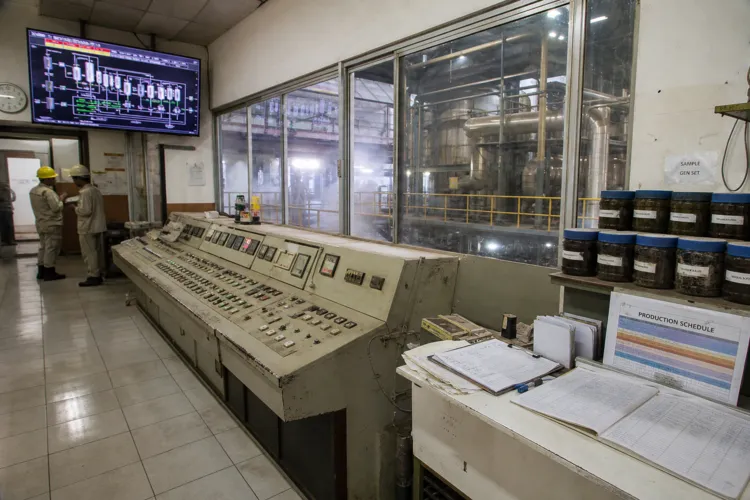
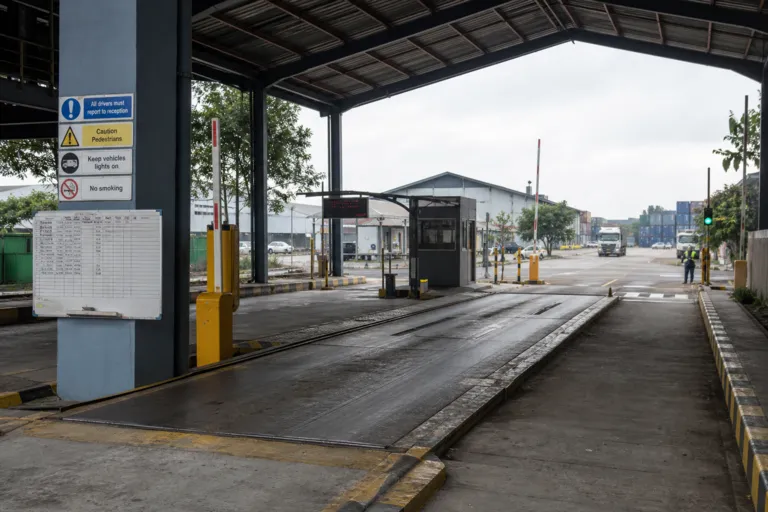
Manufacturers are rethinking footprints because supply chains are no longer driven by cost alone. Tariffs on Chinese goods, geopolitical tension, and disruption since the pandemic have made risk and continuity central to sourcing decisions. In multiple guides, China+1 is defined as keeping China as a core manufacturing base while building secondary or backup production capacity in another country. It is also framed as a way to reduce exposure, improve resilience, and expand globally without fully exiting China. That framing matters for site selection, because the goal is redundancy and flexibility, not a quick move to the lowest-cost factory.
Indonesia’s role in the China+1 conversation is often tied to practical operating realities rather than simple wage comparisons. One Indonesia-focused briefing describes the move as a “fundamental transformation” that requires adapting to new regulatory systems, operational realities, and cultural dynamics. It notes that Indonesia’s governance is multi-layered across national, provincial, and local authorities. While Indonesia’s Omnibus Law has streamlined licensing, investors can still face regulatory overlaps and varying regional interpretations. In parallel, a broader diversification overview points to export-oriented incentives in Indonesia such as tax holidays, VAT exemptions, and bonded zone benefits, paired with streamlined regulatory processes to attract foreign direct investment.
Site-Selection Realities: Land, Logistics, and Time-to-Stability
For site selection, land and permitting can define the critical path. In China, industrial land can be more standardized, but in Indonesia land ownership may be fragmented and influenced by historical claims, making title verification and zoning compliance time-consuming for independent plots. The Indonesia briefing highlights why many foreign investors choose established industrial parks: pre-cleared legal status, ready-to-build infrastructure, and a lower risk profile. Planning horizons should also be realistic. A separate China+1 guide warns that setting up viable manufacturing in a new country typically takes one to two years, including factory qualification, supplier development, logistics setup, and quality system alignment.
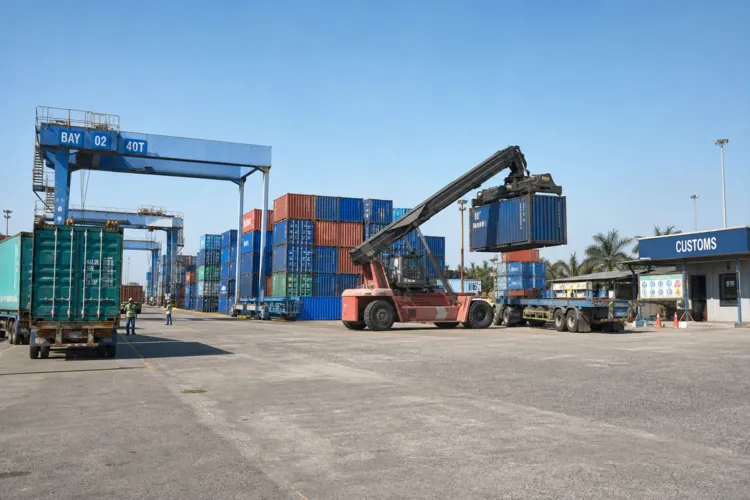
Logistics and supplier ecosystems are another site-selection filter. The Indonesia analysis states that logistics costs in Indonesia are structurally higher than in China and that companies used to China’s dense supplier ecosystems must invest time in rebuilding supply chain depth. It recommends positioning within strategic industrial corridors, citing the West Java corridor for better power reliability and access to deep-sea ports such as Patimban and Tanjung Priok. Other China+1 commentaries add a broader caution: new countries rarely match China’s upstream supply-chain depth, and total operating cost is often higher than headline labor comparisons suggest, increasing the need for local coordination and on-the-ground management.
Workforce ramp-up is also a timeline issue, not just an HR issue. The Indonesia briefing says lower labor costs may be a draw, but high productivity is not immediate, and vocational training may not align with specific high-tech needs. It cites JETRO surveys suggesting it often takes two to three years of intensive training to stabilize workforce productivity. This sits alongside the broader China+1 view that quality consistency can take longer with new suppliers and that diversification is not a one-season experiment that can be reversed quickly. For decision-makers evaluating Indonesia China plus one manufacturing pathways, the most bankable approach is to model a staged ramp: qualify suppliers, stabilize quality systems, and build redundancy while maintaining a strong China base for continuity.
What does the China+1 strategy mean for manufacturers?
How long can it take to set up viable manufacturing in a new China+1 country?
What site-selection risks come up in Indonesia during a China+1 shift?
How should companies think about workforce readiness in Indonesia?
What should buyers ask when evaluating Indonesia for a China+1 manufacturing plan?