

In B2B market research Indonesia, the hardest part is not collecting opinions. It is getting honest signal from enterprise buyers who make decisions in groups, with high stakes and real career risk. B2B market research is a structured process for gathering and analyzing information about business customers, markets, and competitors to inform go-to-market decisions. It is not the same as analytics. Analytics measures what already happened in dashboards. Research explains why it happened and what is likely to happen next. For enterprise VoC, that means going beyond “what did you rate us?” to “what changed your mind, what blocked you, and who else influenced the outcome?”
Design your VoC around how enterprise buying really works. One source notes the average decision involves 6 to 10 stakeholders, and enterprise committees often exceed 13. Another reference, attributed to Forrester, reports enterprise committees average 13 stakeholders. That is why single-respondent surveys often produce polite but incomplete answers. Many prospects also complete around 70% of their buying journey before ever contacting sales. So your research must cover people you may never have met, including technical evaluators, end users, and procurement. Plan sampling accordingly. In B2B, sample sizes of 30 to 100 are described as common. Depth beats scale when one wrong inference can misguide positioning and product priorities.
How to Combine Active and Passive VoC for Honest Signal
Use both active and passive methodologies to reduce bias and capture unprompted truth. Active methods include NPS and CSAT surveys, customer interviews, and focus groups. Passive methods include live chat logs, social listening, online reviews, website and product-usage behavior, and recorded support calls. A practical VoC program combines direct feedback for intent, indirect feedback for unfiltered perception, and inferred feedback for what customers do rather than say. Several programs collect across interviews, surveys, support tickets, and AI-powered interviews, but fail because qualitative feedback is never properly synthesized. Avoid treating NPS as the investigation. Use scores as a trigger to dig into the “why” through interviews and open-text analysis.
In enterprise contexts, incentives and access rules shape honesty. One guide notes that B2B research often requires premium incentives, typically $50 to $500 per respondent depending on seniority, because senior specialized respondents command higher incentives. That investment only pays off if you design for the full account. In B2B VoC, methods should focus on revenue coverage, collect feedback from multiple stakeholders in each account, and tie insights to revenue outcomes because some accounts can be 100 times more valuable than others. Closing the loop also matters. CustomerGauge research found that companies that close the loop see three times the promoters on the next survey, which is a concrete reason to build an action cadence, not just a reporting cadence.
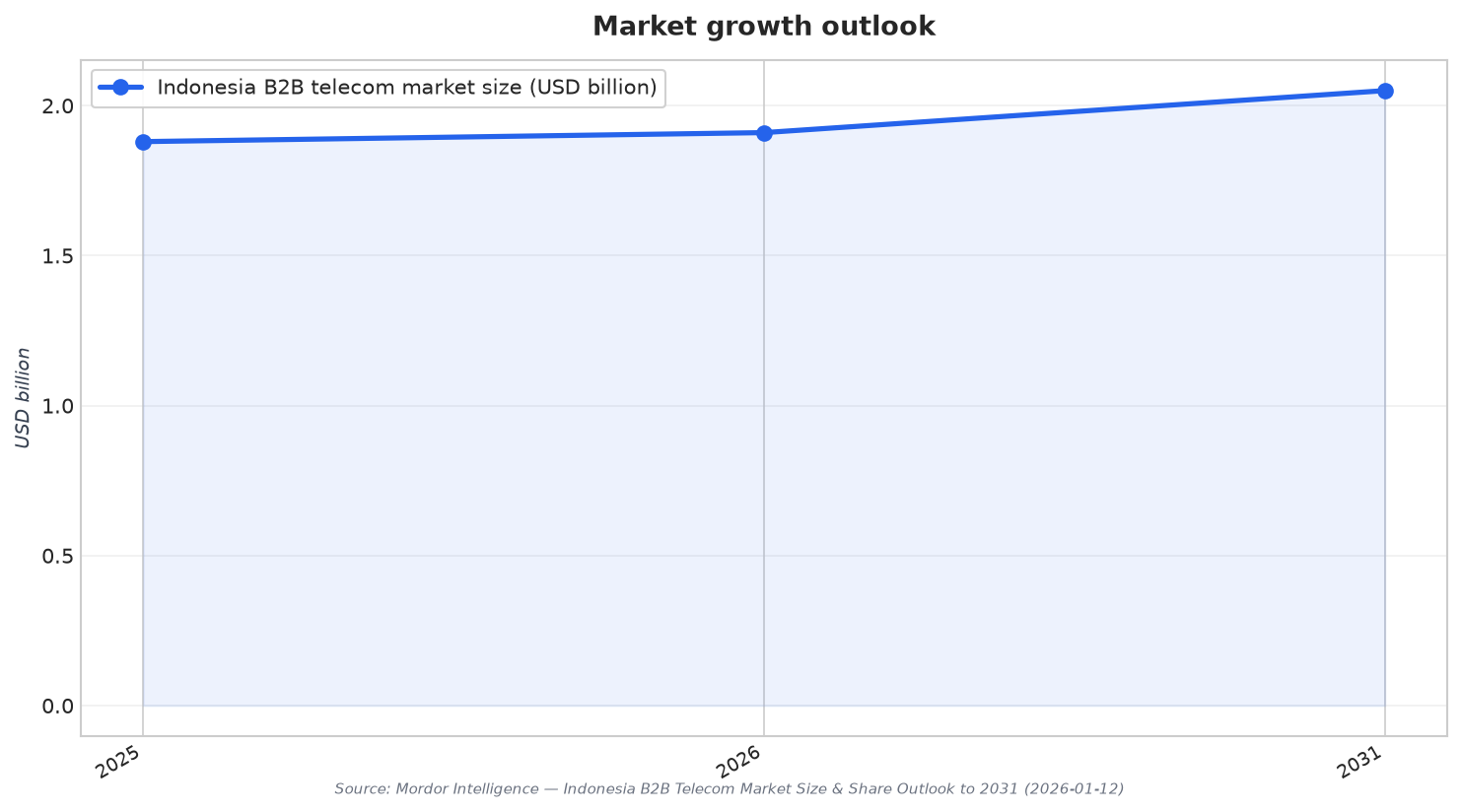
Finally, tune your VoC questions to Indonesia’s market reality and your segment. For example, a Mordor Intelligence report sizes the Indonesia B2B telecom market at USD 1.91 billion in 2026, growing at a CAGR of 1.43% to reach USD 2.05 billion by 2031, after USD 1.88 billion in 2025. If you sell into telco-adjacent enterprise stacks, your research should reflect how regulated buyers weigh risk and how infrastructure priorities differ across Jakarta, manufacturing corridors, and rural areas. Pair that local context with competitive intelligence from churned and lost deals. One benchmarking guide recommends including lost prospects and churned accounts because they surface competitive displacement signals and churn triggers that current-customer surveys systematically miss.
How do you get honest feedback from enterprise buying committees in Indonesia?
Which VoC methods work best for B2B teams?
What incentives are typical for B2B VoC research participants?
How should teams tie VoC work to revenue outcomes?
What does B2B market research in Indonesia look like in telecom, and why does it matter for VoC?