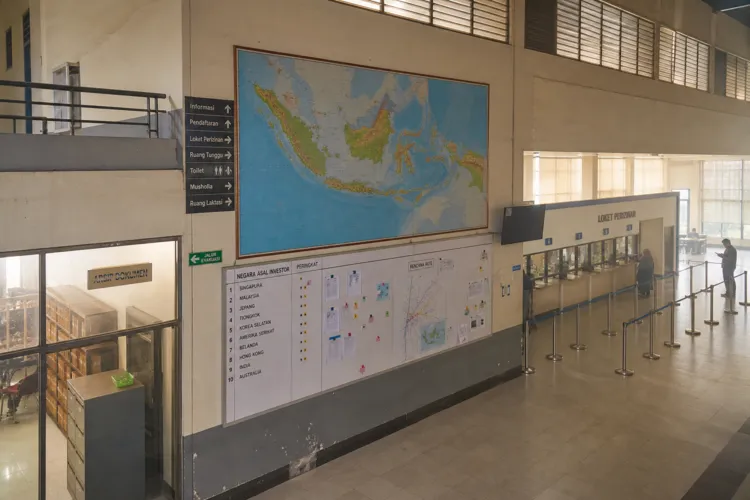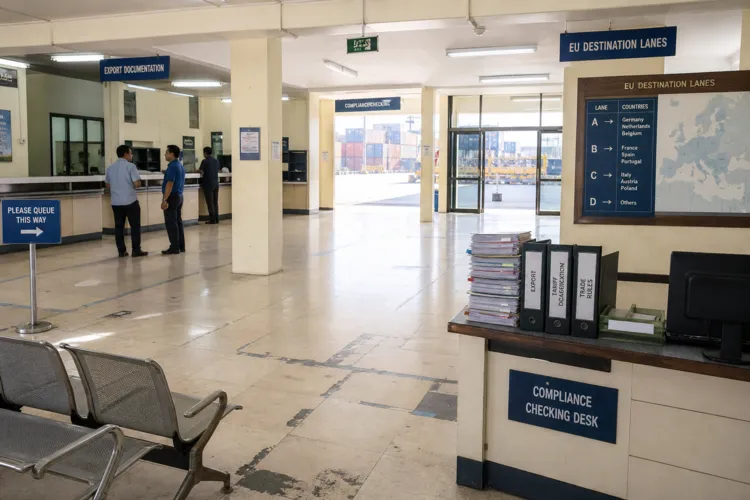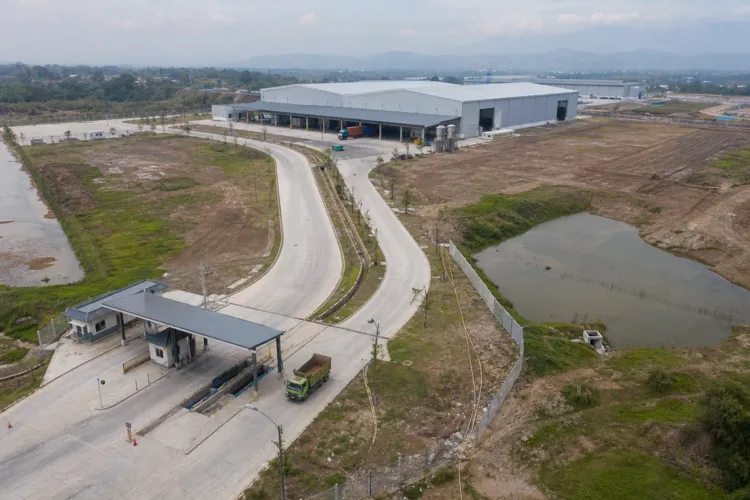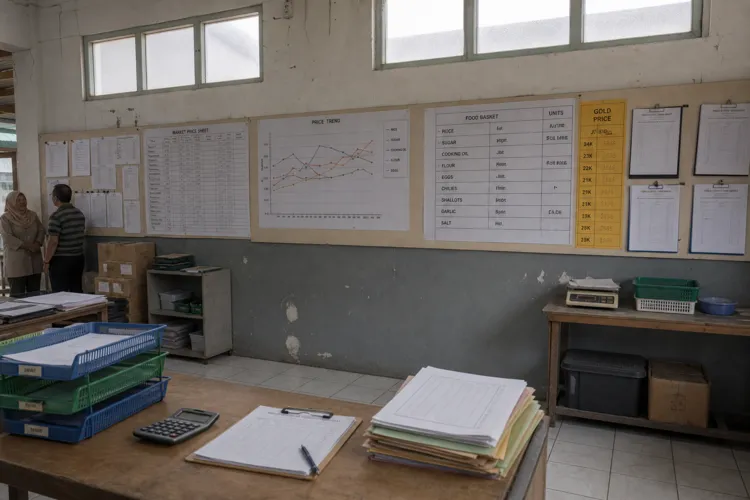
Indonesia has treated Special Economic Zones (SEZs) as more than a tax break story. A designated SEZ is an area where businesses can carry out specific economic functions and access facilities tied to the zone’s sector focus. Since 2009, the government has established 24 SEZs across Indonesia, with 20 fully operational and the rest in development. Sector coverage is broad, including healthcare, education, manufacturing, tourism, and entertainment, which means investors should start with a simple question: does the zone’s designed purpose match the project’s actual activity?
Evidence of the “needle move” shows up in comparative investment and employment outcomes. A Jakarta Globe report citing research by a University of Indonesia team and Prospera says regions with SEZ status can see investment inflows up to 77% higher than regions without SEZs. The same source frames it with an illustration: where a non-SEZ region attracts about Rp 10 trillion, a region with an SEZ could draw around Rp 17 trillion to Rp 18 trillion. The report also links SEZs to labor outcomes, saying regions with SEZs create around 4% more jobs, and that a typical SEZ project can employ up to 52% more workers than a comparable project outside the zones.
Where Incentives Really Work: Fit, Thresholds, and Execution
The most powerful incentives are not always available to every activity inside every zone. Rödl notes that while investors can generally benefit from investing in SEZs regardless of business activities, the most substantial incentives are typically reserved for those whose activities align with the SEZ’s focus. In practice, a manufacturing company in a manufacturing-focused SEZ may qualify for both tax holidays and tax allowances, while other activities in the same SEZ might only be eligible for tax allowances. ASEAN Briefing adds that corporate income tax incentives sit at the center of the regime, describing 100% corporate income tax holidays for an initial period of 10 to 20 years for qualifying investments, with policy guidance referencing the possibility of up to 25 years in certain cases, subject to approval and specific conditions.
Beyond corporate tax, investors often chase cash-flow impact from trade-related relief and process simplification. Rödl lists fiscal and non-fiscal facilities including tax holidays, tax allowances, exemptions from import duties and excise, and simplified licensing and immigration processes. Viettonkin Consulting emphasizes that Indonesia does not follow a one-size-fits-all approach and that choosing a zone requires aligning a business model with the government’s priority sector for that region. It highlights tax allowances for investments that do not meet tax holiday thresholds, plus exemptions from VAT and import duties on capital goods and raw materials, including “zero import duties” on machines, spare parts, and raw materials for manufacturing in SEZs.
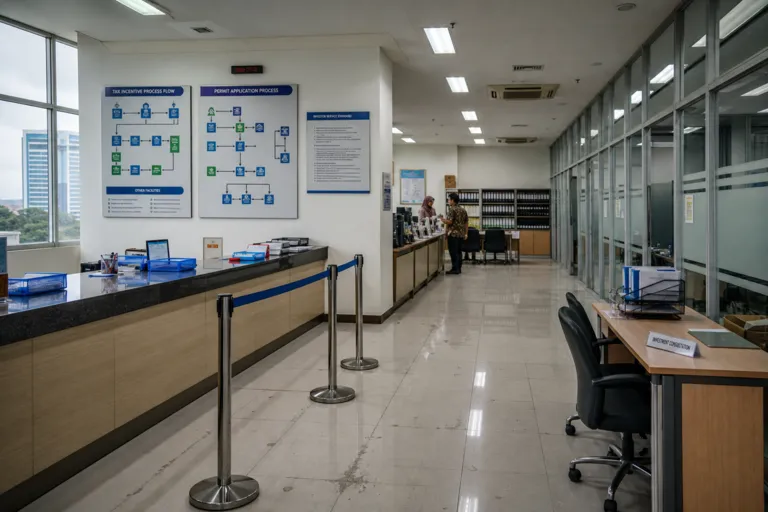
Execution can decide whether incentives translate into deployed capital. Rödl warns that incentives are not granted automatically and often require an application process that can be complex and prolonged due to conflicting regulations. That friction matters because the investment story is already large enough to attract scrutiny. Jakarta Globe reports that as of 2025, cumulative investment across 25 SEZs nationwide had reached Rp 336 trillion ($19.9 billion) and generated employment for about 249,000 workers since the first SEZ was established in 2012. Another snapshot from Incorp Asia says that by June 2023, investments in SEZs reached IDR 128.5 trillion (USD 8.5 billion), creating 71,349 new jobs through 291 businesses—useful context when evaluating momentum, mix, and implementation across zones.
How much more investment can regions with Indonesia’s special economic zones attract?
Which incentives tend to make the biggest difference for investors in SEZs?
Do all businesses in an SEZ get the same incentives automatically?
What do the sources say about job impacts tied to SEZs?
How many SEZs are operating, and what scale of investment has been reported?